

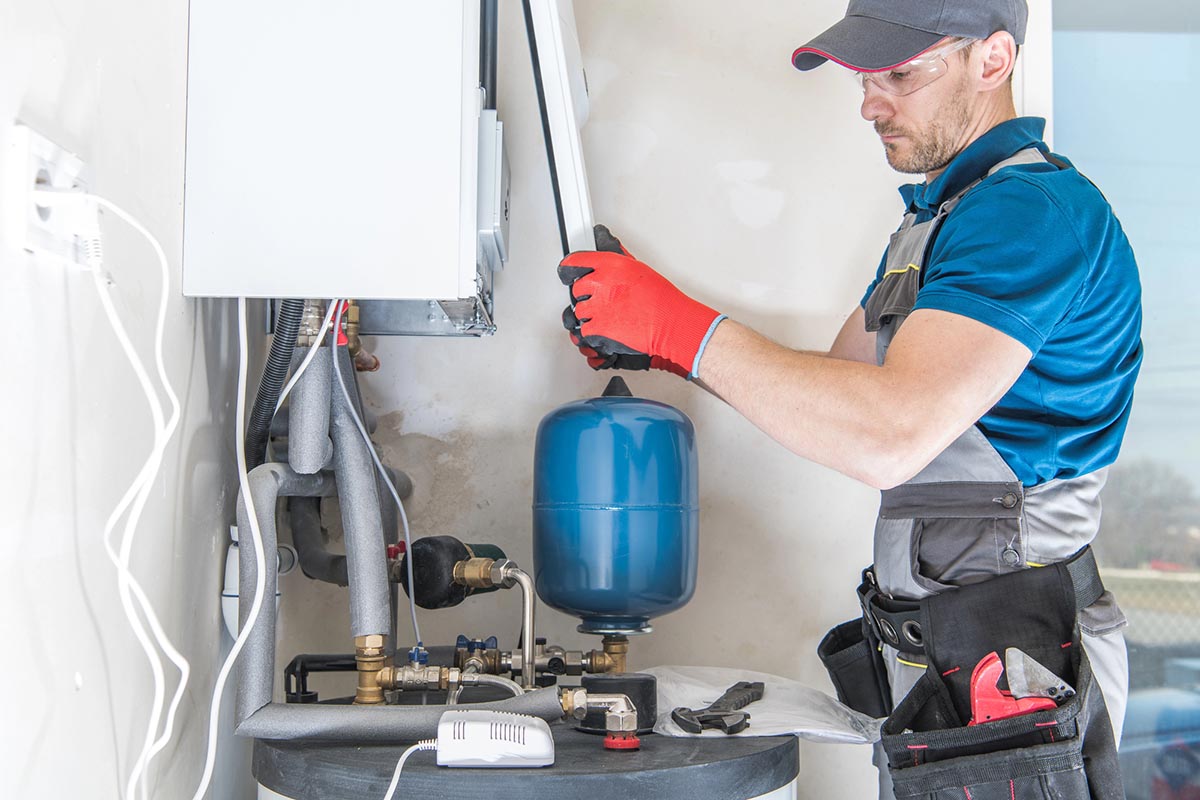
There is something uniquely unsettling about the sound of a clunking boiler in the middle of a cold January night in Glasgow. We have all been there—huddling closer to the radiator, wondering if that strange whistling noise is just the wind or the final gasps of a heating system that has seen better days. For many of us, the idea of a boiler replacement in Glasgow feels like a massive undertaking that we would rather put off until it becomes an absolute emergency. However, waiting until the system completely fails usually leads to more stress, higher costs, and a very cold house while you scramble to find an available engineer.
The reality is that Glasgow’s weather is famously unpredictable. We can have four seasons in a single afternoon, and our boilers are often working overtime for at least nine months of the year. When a system starts to lose its efficiency, it is not just your comfort that suffers; it is your bank account too. Older boilers often operate at around 60% to 70% efficiency, meaning that for every pound you spend on gas, thirty to forty pence is literally going up the flue. Transitioning to a modern, A-rated condensing boiler can radically change the way your home feels and how much it costs to run.
Recognising the signs that your current boiler is struggling
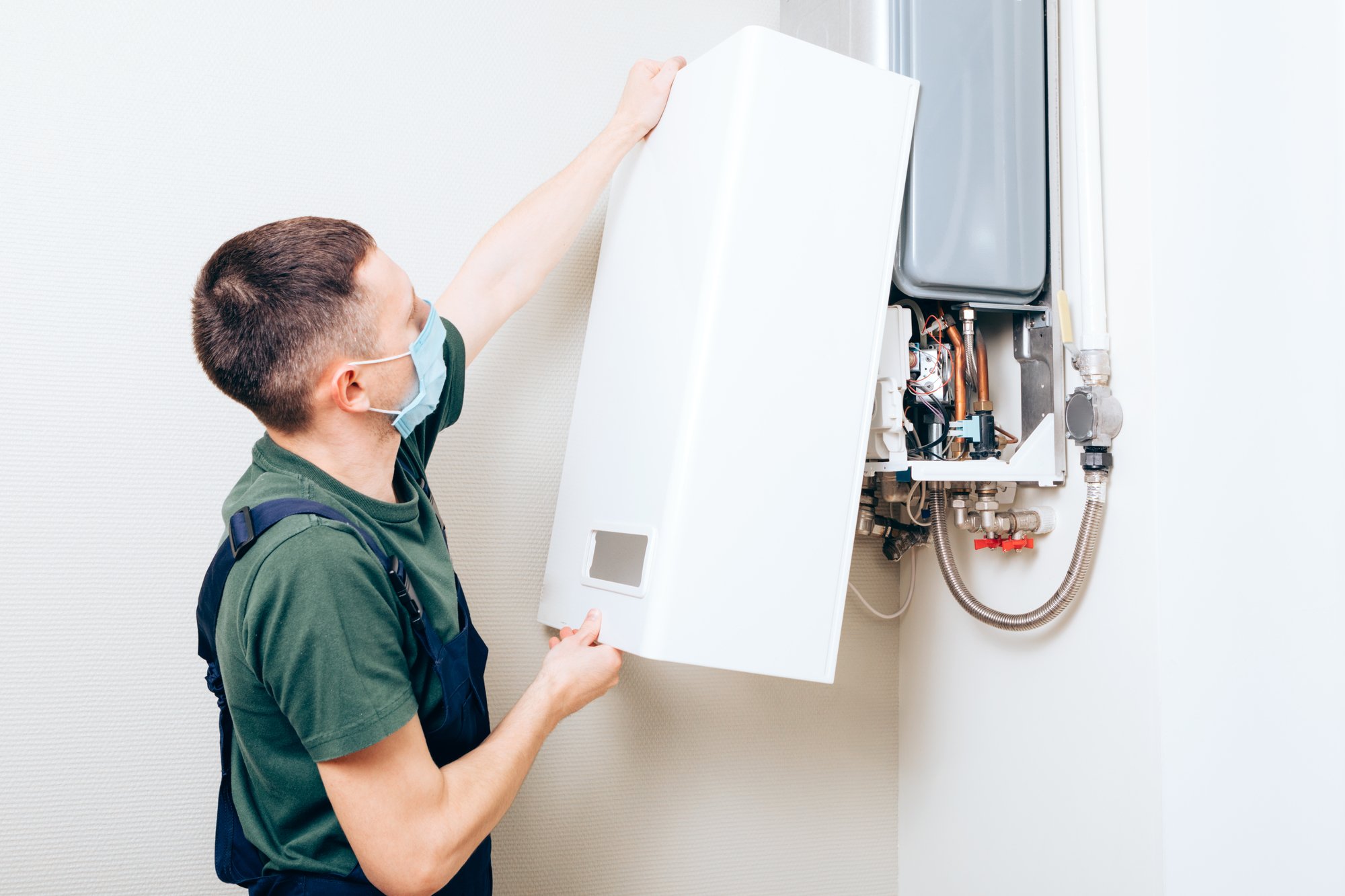
It is easy to ignore the minor quirks of an ageing appliance, but these are often the early warning signs that a replacement is on the horizon. If you find yourself frequently resetting the pilot light or noticing that the water takes significantly longer to heat up than it used to, your system is trying to tell you something. Here are a few common indicators that it might be time to start looking at your options:
- Strange noises such as banging, whistling, or gurgling (often referred to as kettling).
- Frequent leaks or a noticeable drop in water pressure.
- Energy bills that seem to be rising despite your usage staying the same.
- The need for constant repairs or the unavailability of spare parts due to the age of the model.
- Radiators taking a long time to get hot or having cold spots even after bleeding them.
If your boiler is more than 12 to 15 years old, it is likely nearing the end of its natural lifespan. Even if it is still technically working, the technology inside is vastly outdated compared to the high-efficiency models available today. When you are ready to explore your options for a professional boiler replacement glasgow, it is essential to work with local experts who understand the specific challenges of Scottish homes, from traditional red sandstone tenements to modern suburban builds.
The specific challenges of Glasgow properties
Glasgow has a diverse range of housing, and each type comes with its own set of plumbing requirements. If you live in a traditional West End or Southside tenement, you might be dealing with high ceilings and thick stone walls that require a specific type of heating output. In these older buildings, the existing pipework can sometimes be narrow or made of materials that require a thorough powerflush before a new unit can be installed.
Conversely, if you are in a more modern development in areas like Robroyston or Newton Mearns, your home might be better suited to a compact combi boiler that fits neatly into a kitchen cupboard. A local engineer knows these quirks. They understand the water pressure issues that can sometimes affect certain parts of the city and can recommend a pump or a specific boiler model that can handle the demand. This local insight is invaluable because it ensures the system installed is actually fit for the specific environment it will be operating in.
Choosing between Combi, System, and Regular boilers
One of the first decisions you will need to make is which type of boiler is right for your lifestyle. Most modern homes in Glasgow opt for a combination (combi) boiler because they provide heat and hot water directly from the mains without the need for a bulky water tank in the loft. This is a great space-saver, but it might not be the best choice if you have a large family with multiple bathrooms running at the same time.
System boilers and regular (heat-only) boilers require a cylinder to store hot water. While they take up more room, they are excellent for larger households where hot water demand is high. During a site survey, an engineer will look at your current setup and ask about your water usage habits to ensure you don’t end up with a system that leaves someone shivering in the shower when the kitchen tap is turned on.
What actually happens during the installation process?
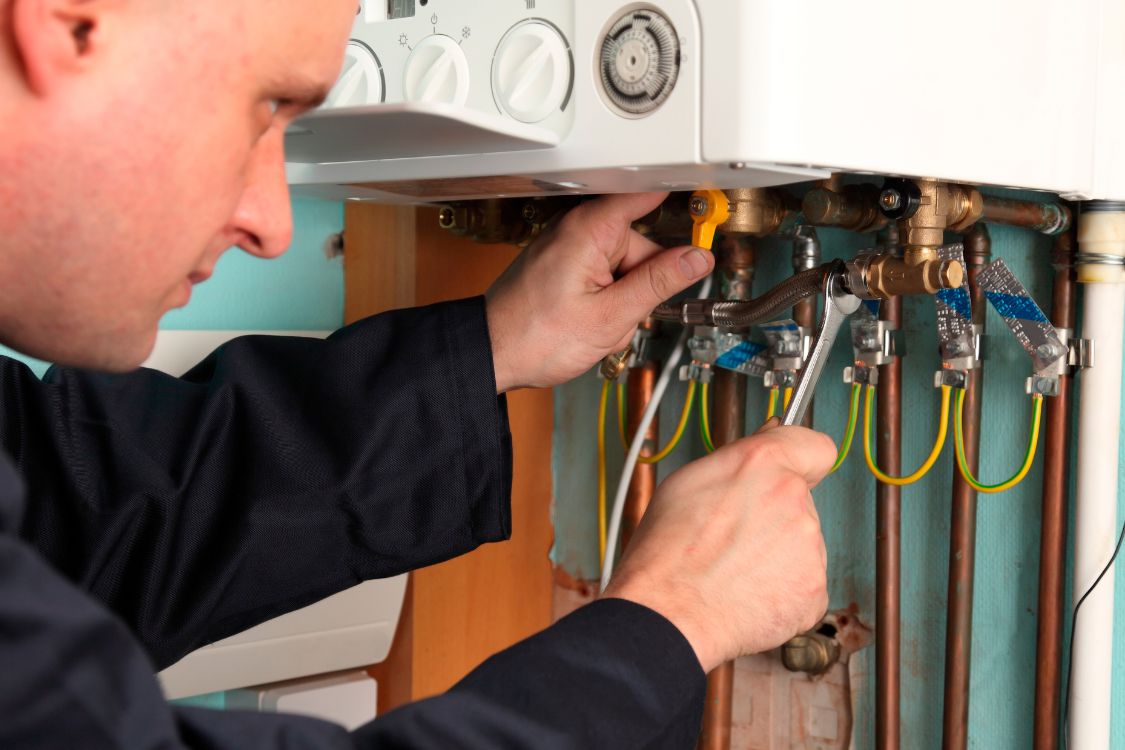
Many homeowners dread the installation process because they imagine floors being ripped up and days of mess. In reality, a straightforward boiler swap can often be completed in a single day. If you are changing the type of system—for example, moving from an old regular boiler to a new combi—it might take two days because of the extra pipework and the removal of old tanks.
A professional installation usually follows a clear sequence of events:
- A pre-installation survey to confirm the right boiler size and location.
- Draining the existing system and safely removing the old unit.
- Flushing the pipes to remove sludge and debris that could damage the new boiler.
- Installing the new unit, flue, and any necessary controls or smart thermostats.
- Testing the system thoroughly to ensure it meets Gas Safe standards.
- Registering the warranty and explaining how to use the new controls.
The mess is usually kept to a minimum, and reputable installers will use floor protectors and tidy up after themselves. The goal is to leave you with a warm home and a system that is significantly quieter and more reliable than the one it replaced.
The importance of Gas Safe registration
It cannot be stressed enough: any gas work must be carried out by a Gas Safe registered engineer. This isn’t just a recommendation; it is a legal requirement designed to keep you and your family safe. When you are looking for someone to handle your heating, always ask to see their Gas Safe ID card. This card lists exactly what type of gas work they are qualified to do. Using an unregistered person can void your home insurance, lead to dangerous carbon monoxide leaks, and often results in a system that is poorly configured and inefficient.
Long-term benefits and smart controls
Once your new boiler is in place, you will likely notice an immediate difference in how quickly your home warms up. Modern boilers are designed to modulate their power, meaning they don’t just blast on and off; they can adjust their output to match the heat required, which saves a significant amount of energy. To get the most out of your investment, many people choose to install smart controls like Nest or Tado at the same time. These allow you to control your heating from your phone, ensuring you never waste money heating an empty house if you are stuck late at work or out for the evening.
Furthermore, a new installation usually comes with a substantial manufacturer’s warranty, often ranging from five to twelve years. This provides peace of mind that you won’t be facing unexpected repair bills any time soon. To keep this warranty valid, you simply need to ensure the boiler is serviced annually by a qualified professional. This annual check-up keeps the system running at peak efficiency and allows an engineer to catch any minor issues before they turn into expensive problems, ensuring your home remains a warm sanctuary regardless of what the Glasgow weather decides to do.

Lynn covers artistic collaborations, curating stories that celebrate craftsmanship and design innovation.


